
The August Garden Checklist: 12 Late Summer Jobs
Posted by Woodland Tools Co. on 19th Aug 2026
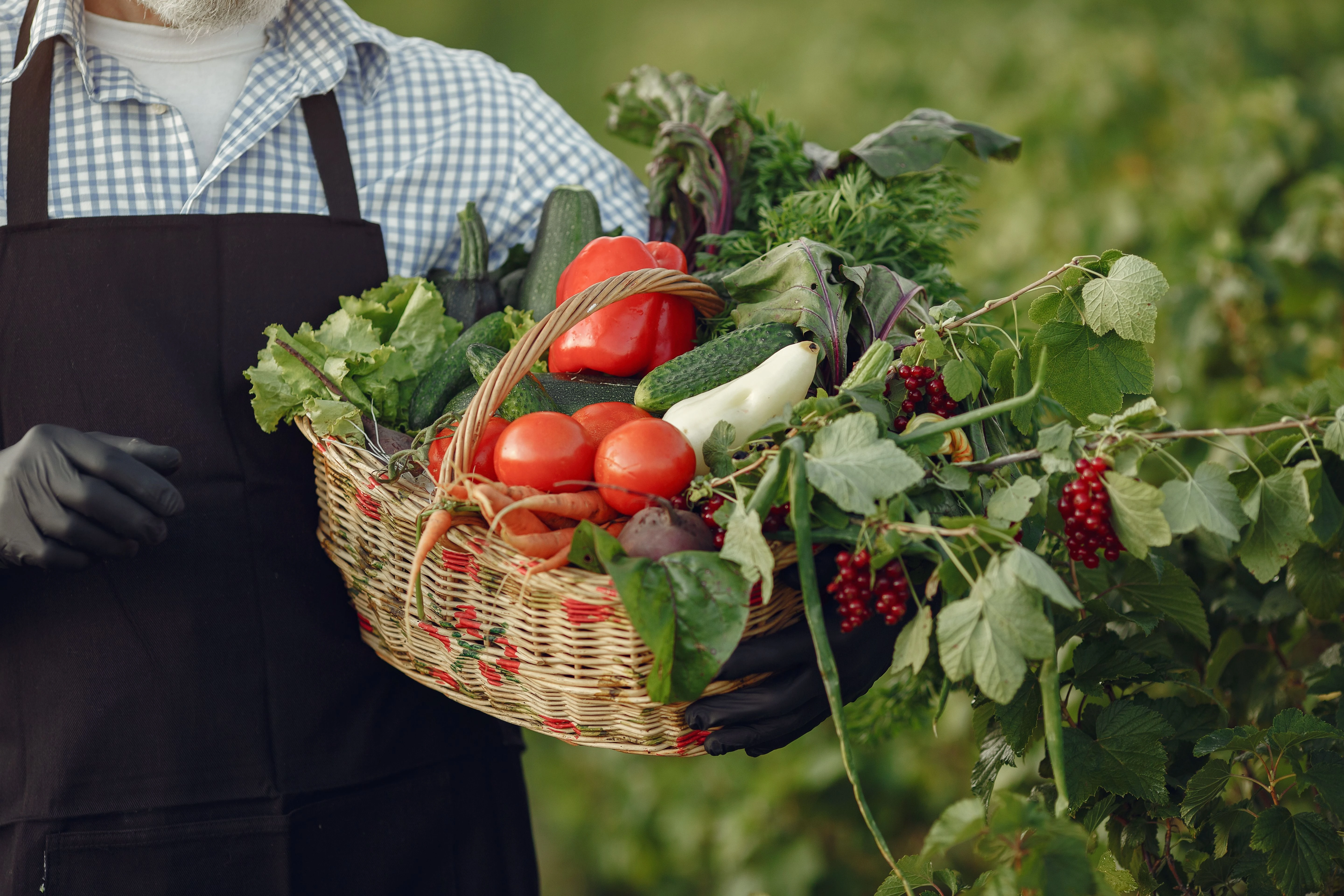
August is the hinge month. The garden still looks like summer, the tomatoes are still coming in, and it is easy to coast. But most of what your garden does in October and next April is being decided right now, in these last few warm weeks. Roots are still growing. Flower buds for next spring are already being set. Weeds are racing to drop seed before the season closes.
Master Gardeners tend to think of August less as the end of summer and more as the setup for everything that follows. The jobs below are the ones we believe pay the biggest dividends, and most take an afternoon or less. We have kept the timing frost-relative rather than zone-specific, so it works whether you garden in the Upper Midwest, the Southeast, or the Pacific Northwest. If you know your average first frost date, you know your calendar.
One note before we dig in: our Labor Day Sale is running now at 20% off sitewide with code LABOR26, and it lines up with most of the tools these jobs call for. Details are further down.
August at a glance
|
Here is the short version, in rough priority order:
|
Work down the list as your weather allows. If you only get to three, we would pick the fall sowing, the bramble cleanup, and the weed patrol, because all three are genuinely time-sensitive.
1. Water deeply and less often
Deep, infrequent watering builds deep roots. Shallow daily sprinkles train roots to stay in the top inch or two of soil, which is the layer that dries out fastest and swings hardest in temperature.
The general target for most established beds is roughly one inch of water per week, delivered in one or two long soaks rather than daily splashes. A straight-sided can under the sprinkler will tell you when you have hit an inch. For trees and shrubs, especially anything planted in the last two or three years, a slow soak at the drip line once a week during dry spells does far more good than a quick pass with the hose.
Containers are the exception, since they can need water daily or twice daily in real heat. And if your region is running dry heading into fall, keep watering woody plants right up until the ground freezes. Dry soil cools faster than moist soil, and roots going into winter dehydrated are the ones that show damage next spring.
2. Harvest often, and treat it like pruning
Every harvest is a pruning cut, and the plant responds accordingly. Beans, cucumbers, summer squash, okra, and most annual flowers are wired to stop producing once they successfully ripen seed. Picking early and picking often keeps that signal switched off and the plant in production mode.
A few things worth staying on top of in August:
- Beans and cucumbers: pick every day or two. One forgotten oversized cucumber can slow an entire vine.
- Summer squash: smaller is better for both flavor and yield.
- Tomatoes: harvest at first blush and finish ripening indoors on the counter, out of direct sun. It cuts your losses to splitting, birds, and squirrels considerably.
- Rotting fruit on the ground: clear it. It draws wasps, and it is where next year's disease problems overwinter.
For clean harvest cuts, a small precision tool beats yanking by hand every time. Our Heavy Duty Nano-Tip™ Snips get into tight trusses without bruising neighboring fruit, and the Super Duty Utility Snips handle thicker squash and pepper stems. Tearing a stem instead of cutting it leaves a ragged wound that is much easier for disease to enter.
3. Cut herbs hard before they flower
Most culinary herbs lose flavor once they bloom, because the plant redirects energy from leaf oils into seed production. August is your last good window to take a hard cutting and preserve it.
Basil, oregano, mint, thyme, and marjoram can all take a cut of about one third of their growth, and most will push out a fresh flush before the season ends. Cut in the morning after the dew has dried but before the day heats up, when essential oil content tends to be at its highest. Bundle and hang to dry in a dark, airy spot, or lay leaves on a screen out of sunlight.
The Regular Duty Herb Snips are sized for exactly this kind of repetitive close work. Work with two hands: gather a bundle in one, cut the whole bundle in one pass with the other.
One caution. Do not cut woody herbs like rosemary, lavender, and sage back into old bare wood this late. Those cuts often fail to resprout, and any tender new growth you force now may not harden off before cold arrives.
4. Sow the fall garden by counting backward from frost
This is the most time-sensitive job on the list, and it is the one gardeners most often miss. The method is simple arithmetic:
Find your average first frost date. Subtract the crop's days to maturity. Then subtract another 10 to 14 days as a fall factor. That is your last safe sowing date.
The fall factor accounts for shortening days and cooling soil, which slow growth noticeably compared to the same crop planted in spring. Skipping it is why so many fall plantings stall out an inch short of harvest.
| Crop | Days to maturity | Frost tolerant? |
|---|---|---|
| Radish | 25 to 30 | Light frost |
| Arugula | 30 to 40 | Yes |
| Spinach | 35 to 45 | Yes, quite hardy |
| Leaf lettuce | 45 to 55 | Light frost |
| Turnip | 45 to 55 | Yes |
| Kale | 50 to 60 | Yes, improves with frost |
| Beets | 50 to 60 | Light frost |
| Swiss chard | 50 to 60 | Light frost |
| Bush beans | 50 to 60 | No |
| Carrots | 60 to 75 | Yes, sweetens with frost |
Anything in the "yes" column can be sown past the date the math gives you, because a light freeze will not end it and in several cases actually improves the flavor. Kale and carrots after a frost are a genuinely different vegetable.
One practical tip: soil at this time of year is often too warm for lettuce and spinach to germinate well, so sow a little deeper than you would in spring, keep the surface consistently moist, and consider shading the row with a board or a piece of burlap until the seedlings break through.
For opening clean furrows and setting transplants, the Heavy Duty Hori Hori Garden Knife does about four jobs at once with its serrated edge and depth markings. The Heavy Duty Transplanter and Heavy Duty Cultivator round out the set for seedbed prep. You can see the whole line on our Scratch Tools page.
5. Deadhead and cut back the tired and leggy
Deadheading is removing spent flowers before they set seed, which pushes many plants into a second round of bloom and keeps beds looking intentional through September.
Good candidates for a hard August cutback of roughly one third: petunias, calibrachoa, salvia, catmint, coreopsis, and geraniums. Many rebound within two to three weeks and carry color well into fall. Repeat-blooming roses take light deadheading now, though in colder regions we generally stop cutting roses about six weeks ahead of first frost so the canes harden off.
What to leave alone: coneflowers, black-eyed Susans, sedum, ornamental grasses, and anything else with a seed head worth keeping. Those feed goldfinches and juncos through winter and look better under snow than bare stems do. There is no rule that says a garden has to be tidy in October.
A comfortable bypass pruner is the workhorse here. The Compact Duralight™ Pruner is light enough for an hour of repetitive deadheading, while the Heavy Duty Bypass Pruner handles thicker stems on established perennials. Bypass blades make a scissor cut that heals cleanly, which is what you want on anything still actively growing. Browse the full range on our Hand Pruners page.
6. Take the last shearing pass on formal hedges
Formal hedges generally get sheared two or three times a season, and late summer is usually the final pass. The goal now is a clean finish that holds its shape through winter, not a hard reduction. Most horticulturists suggest wrapping up shearing roughly six weeks before your average first frost, since later cuts push soft growth that will not harden off in time.
Two shaping principles separate a hedge that stays full from one that goes bare at the bottom:
- Keep the base wider than the top. A slight taper lets sunlight reach the lower branches. Hedges sheared straight up and down, or worse, wider at the top, shade themselves out and thin from the ground up.
- Shear to just above the previous cut line, not below it. Cutting back into old bare wood on evergreens like arborvitae, juniper, and spruce often will not resprout.
Match the tool to the hedge. The Compact Duralight™ Hedge Shear is easy to control on small boxwood and detail work, and the Super Duty MaxForce™ Hedge Shears carry through denser privet and yew. For anything over your head, the Heavy Duty Extendable LeverAction™ Hedge Shears keep you off a ladder, which is a safety win as much as a convenience one. The full lineup lives on our Hedge Shears page.
7. Know what not to prune in August
This is the section we wish more gardeners read, because August pruning mistakes tend to show up as damage or missing flowers eight months later.
Hold off on these until the dormant season:
- Deciduous trees and shrubs, for anything beyond light touch-ups. Late summer cuts stimulate growth that will not harden before winter. Late winter into early spring, roughly February through March in most cold regions, is the standard window.
- Spring-flowering shrubs, including lilac, forsythia, azalea, rhododendron, and most viburnum. They set next spring's flower buds during summer. Cutting them now removes the flowers you were hoping for. Prune these right after they bloom next year.
- Oaks and elms. These are best pruned in the dormant season, generally December through February, to reduce disease risk.
The standing exception is the three Ds: dead, damaged, and diseased wood can come out any time of year, and August is a good moment to spot it, since a dead limb is obvious when everything around it is in full leaf. Walk your trees with a critical eye. Anything cracked, hanging, or leafless is worth removing before it becomes a winter storm problem.
A folding saw is the right call for most of this. The Compact Duralight™ Folding Saw rides in a back pocket for opportunistic cuts, and the Heavy Duty Bow Saw takes on larger deadwood and storm cleanup. For deadwood well overhead, the 14' Heavy Duty Tree Pruner reaches it from solid ground.
8. Clean up brambles after the summer harvest
Summer-bearing raspberries and blackberries fruit on second-year canes, called floricanes, and those canes die after fruiting. Removing them right after harvest is one of the highest-value twenty minutes in the whole garden year.
Cut spent floricanes all the way to ground level. They are easy to identify: browner, woodier, and often peeling, in contrast to the green first-year primocanes beside them. Haul them off rather than composting them, since they carry cane blight and anthracnose. Then thin the remaining primocanes to roughly four to six of the strongest per foot of row. Airflow through the row is your best defense against disease next season. Everbearing raspberries are a different case: for a single large fall crop, you can mow the entire planting to the ground in late winter instead.
Thorny canes make a strong case for a lopper, both for reach and for keeping your forearms out of it. The Heavy Duty LeverAction™ Lopper gives you leverage without much effort, and the Super Duty MaxForce™ Bypass Pruner handles individual canes close to the crown. More options on our Loppers page.
9. Divide summer-blooming perennials
The general rule is to divide spring and summer bloomers in fall, and fall bloomers in spring. Late August starts the fall division window in most regions.
The timing target is four to six weeks before your ground freezes, which gives divisions time to root in before winter. Divide on an overcast day if you can, water the plant well the day before, and keep the divisions shaded and damp until they are back in the ground. Aim for three to five healthy shoots per division with a good share of roots attached.
Good candidates right now: bearded iris, daylilies, peonies, Oriental poppies, and Siberian iris. Bearded iris in particular benefits from division every three to four years, and August is the classic month for it. Trim the fans back to about six inches in a fan shape, discard any soft or borer-damaged rhizome, and replant with the top of the rhizome just visible at the soil surface. Burying it is the most common reason iris stop blooming.
Hold off on chrysanthemums, asters, and other fall bloomers until spring, since dividing them mid-bloom sets them back badly. The Heavy Duty Hori Hori Garden Knife is the tool of choice for slicing through dense root balls, and the Heavy Duty Trowel sets the divisions back in cleanly.
10. Reclaim the edges before weeds set seed
A single pigweed plant can produce well over 100,000 seeds, and August is when most annual weeds are racing to release them. Anything you pull or cut this month is a weed you are not fighting for the next several seasons.
Prioritize by seed stage rather than by size. A small plant already in flower is more urgent than a large one that has not bolted. Pull what pulls cleanly after a rain, and cut the rest at the crown. For deep taprooted offenders like dandelion and burdock, the Heavy Duty Weeder gets under the crown so the root comes with the top.
August is also the right month for the perimeter work that never quite gets scheduled: fence lines, ditch banks, the back corner behind the shed. Woody invasives such as buckthorn, honeysuckle, and multiflora rose are easiest to spot and cut now while they are in full leaf. The Super Duty Brush Axe and Heavy Duty Machete move through material that would take a trimmer all afternoon. See the Clearing page for the full set. One safety note: poison ivy is still active in August, and the oil transfers readily to handles and gloves, so wash both afterward.
Around beds, walls, and tree trunks where a string trimmer risks bark damage, the Heavy Duty Rotating Grass Shears give you a clean edge with full control. Trimmer damage at the base of a young tree is a slow, quiet killer, and it is entirely avoidable.
11. Get the lawn ready for the overseeding window
If you grow a cool-season grass such as Kentucky bluegrass, tall fescue, or perennial ryegrass, the stretch from late August through mid September is generally the best seeding window of the entire year. Soil is still warm enough for fast germination, nights are cooling, and weed pressure is dropping off.
Get the prep done now so you can seed the moment the weather turns:
- Mow slightly lower than usual on the pass right before seeding, and bag the clippings
- Core aerate compacted areas, especially along walkways and play paths
- Rake out thatch so seed reaches actual soil
- Plan to keep the seedbed consistently moist for two to three weeks
One caution: do not mow turf that is heat or drought stressed. Mowing a lawn that is already struggling in temperatures above the mid 80s tends to set it back further. Wait for rain or a cool stretch.
If you grow a warm-season grass like bermuda, zoysia, or St. Augustine, this runs on a different calendar. Those are best established in late spring and early summer, so August is a maintenance month rather than a seeding one.
12. Service your tools at the halfway point
Most gardeners service tools in November, and by then the damage is done. A mid-season cleanup takes fifteen minutes and makes the rest of the season measurably easier.
Work through this quickly:
- Scrub off sap and residue. Warm soapy water handles most of it. For stubborn sap on blades, a little isopropyl alcohol or mineral spirits works well.
- Sanitize between plants when disease is present. A wipe of 70% isopropyl alcohol between cuts is the simplest approach, and it matters most on anything showing blight, canker, or fireblight.
- Sharpen the bevel, not the flat side. On bypass blades, follow the existing factory angle on the beveled face only. A few passes with a fine file or a sharpening stone restores most of the edge.
- Check the pivot bolt. Loose pivots cause blade crossover, which is what shreds stems instead of cutting them. Snug it up until the blades close smoothly with no side play.
- Dry completely and add a drop of oil at the pivot and along the blade.
This is also a good moment to be honest about which tools are fighting you. Every Woodland tool is guaranteed forever, and registration takes about a minute on our product registration page. If you are working at a professional volume, our forged Pro Series line was built for all-day use, and we covered the thinking behind it in Introducing the Pro Series.
One more thing: the Labor Day Sale
|
LABOR DAY SALE 20% Off Sitewide Every tool on this list, plus the rest of the lineup. Designed in the USA and guaranteed forever. Sale ends Labor Day, September 7. Use code LABOR26 at checkout Shop the Labor Day Sale |
Whether that means a hedge shear for the final shaping pass, a lopper for the bramble row, or a hori hori for fall sowing, this is a reasonable moment to replace the tool you have been apologizing for all summer.
Frequently asked questions
Is it too late to plant vegetables in August?
For most regions, no. Fast-maturing cool-season crops such as radishes, spinach, arugula, lettuce, turnips, and kale can all be sown in August. Find your average first frost date, subtract the crop's days to maturity, then subtract another 10 to 14 days to account for shortening daylight. That gives you your last safe sowing date. Frost-tolerant crops like kale, spinach, and carrots can be sown later still.
Should I prune my shrubs in August?
Generally not, beyond light touch-ups. Pruning deciduous trees and shrubs in late summer stimulates new growth that will not harden off before winter. Spring-flowering shrubs such as lilac and forsythia have already set next spring's flower buds, so pruning now removes those flowers. The exception is dead, damaged, or diseased wood, which can be removed at any time of year.
When is the best time to divide perennials?
Divide spring and summer bloomers in fall, and fall bloomers in spring. For fall division, aim for four to six weeks before your ground typically freezes so the divisions can root in. Bearded iris, daylilies, peonies, and Siberian iris are all good August and September candidates.
How do I sharpen bypass pruners?
Sharpen only the beveled outer face of the cutting blade, following the existing factory angle. A few passes with a fine file or sharpening stone is usually enough. Leave the flat inner face alone, since flattening it changes how the two blades pass one another. Finish by cleaning off sap, checking the pivot bolt for play, and adding a drop of oil.
When should I overseed my lawn?
For cool-season grasses, late August through mid September is generally the strongest window, because soil is still warm enough for quick germination while air temperatures and weed pressure are dropping. Warm-season grasses run on the opposite schedule and are best established in late spring or early summer.
Final thoughts
August rewards gardeners who are willing to think two seasons ahead. The fall crops you sow this week, the brambles you clean up, and the weeds you stop from seeding are all quiet investments that pay out long after the last tomato comes off the vine.
Next month the list shifts toward frost prep, bulb planting, and bed cleanup. Our September Garden Survival Guide covers that ground, and Fall Cleanup Mode picks it up in October.
Get out there while the evenings are still long.
More to explore
- September Garden Survival Guide
- Fall Cleanup Mode: October Garden Tasks You Don't Want to Skip
- The Winter Gardener's Wishlist: December Tasks & Holiday Gifting
- New Year, New Soil: How to Plan Your Best Growing Season Yet
- Introducing the Pro Series: Professional Garden Tools Designed for Growers
- America's Best Garden Walk 2026: Meet the Winners
- Shop All Garden Tools
Related reading: Beat the Heat: Essential Summer Gardening Tips