

2027 Youth Garden Grant: How Schools and Youth Programs Can Apply
Posted by Woodland Tools Co. on 11th Nov 2026
Woodland Tools is a proud sponsor
Applications close Friday, December 11.
A plain-language guide for teachers, youth leaders, and anyone who runs a garden program for kids.
Every gardener remembers the first thing they grew. For a lot of kids, that first radish or bean plant happens in a school bed or a youth program garden, and it is often the reason they keep gardening for the rest of their lives. Those gardens run on small budgets, and a few hundred dollars can decide whether a raised bed gets built this spring or waits another year.
That is what KidsGardening's Youth Garden Grant is for. Since 1982 it has helped more than 5,700 under-resourced schools and youth organizations start and keep up their gardens, and applications for the 2027 grant are open now through December 11, 2026.
Woodland Tools is proud to be one of the sponsors of this year's Garden Champions Award, alongside a group of other garden companies and individual donors. We wrote this guide because we would like to see as many good programs as possible apply. Everything below comes from KidsGardening's grant page, and their page is the final word if anything changes.
The grant at a glance
Who can apply
The grant is open to any organization in the United States or U.S. territories that is starting a new garden program or improving an existing one. That can include public and private schools, after-school programs, youth clubs, community gardens with a youth program, and similar organizations. To qualify, the program needs to:
- Serve at least 15 youth between the ages of 0 and 18
- Support, work with, or serve an under-resourced community. KidsGardening defines these as communities most affected by systemic inequities and situational hardships.
- Have received less than $5,000 in grants for the garden program in 2026
A few details trip people up. Programs that won a KidsGardening grant in 2025 or 2026 need to wait two years before applying again. If an organization submits more than one application, only the last one is reviewed. And applications are welcome in Spanish, with the questions available in both languages.
What the $750 can cover
KidsGardening lists the kinds of things grant money can go toward, including raised bed materials, soil, plants, seeds, compost materials, tools, and fencing. Salaries or stipends can be part of the budget, up to half of it.
From a gardener's point of view, the order you spend in matters. If you are starting from scratch, put the money into the growing space first: beds, soil, and compost are what make a garden productive, and they are hard to fix later. Seeds and plants are often the easiest piece to get donated. Hand tools come next, and a small set that a whole class can share goes a long way. If your garden already exists, the best use is usually whatever is holding it back, whether that is tired soil, a missing water source, or a fence that keeps animals out.
How to put together a strong application
KidsGardening funds about 13 percent of the applications it receives, so it pays to be specific. Reviewers score each application on demonstrated need, program sustainability and impact, and clear fit with the grant's goal of engaging youth in a garden. Priority goes to programs with limited existing funding, and to programs serving more than 50 youth.
A few things that we believe make an application stand out:
- Show the site. Current photos of the garden site are required. Take them in good light, and include a wide shot that shows sun, space, and access to water. A simple sketch of the planned beds, a short video, or a letter of support from a principal or partner are optional, and they help reviewers picture the garden.
- Answer the summer question before they ask it. Many school gardens struggle in July and August, when no one is there to water. A clear plan for who waters and weeds over breaks is one of the most convincing signs of a garden that will last, and sustainability is part of the scoring.
- Be concrete about the kids. How many youth, what ages, how often they will be in the garden, and what they will learn there. Numbers and specifics read better than general goals.
- Tie every dollar to a result. A short budget that shows exactly what the $750 buys, and what that will let students do, is easier to fund than a list of wants.
On the practical side, KidsGardening recommends saving the application questions and drafting your answers offline first, then pasting them into the online form, because many browsers time out after about 30 minutes of inactivity. After you submit, watch for a confirmation email from JotForm, and check your spam folder for it. The question sets, in English and Spanish, are on the grant page.
If your program is selected
Grantees are notified by email in late January 2027, and funds go out in late February, which lines up well with spring planting in most of the country. The one obligation is a grant-end report due June 15, 2027: a 10-question online form with a short narrative about the garden's impact, three to five photos or videos, and signed parental release forms for any images that include children. It is worth setting up the photo releases at the start of the season so the report is easy when June comes.
Hand tools for a school or youth garden
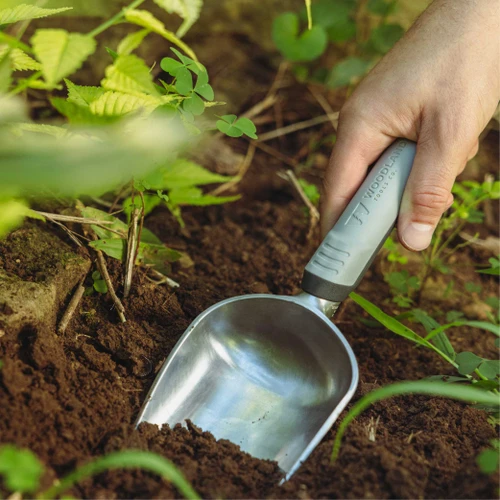
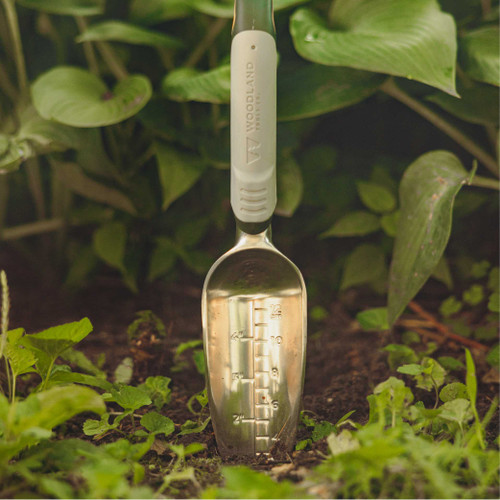
If tools are on your list, a shared set of sturdy hand tools covers most of what a youth garden does in a season. Any well-made set will serve you, and these are the four we would start with from our own Scratch Tools line. Each is guaranteed forever, which matters when a tool is going to be passed between dozens of hands.
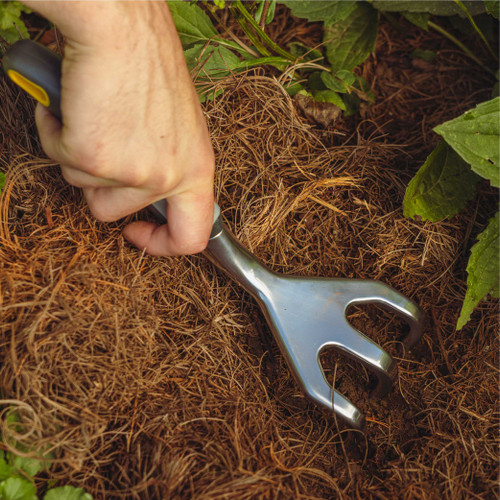
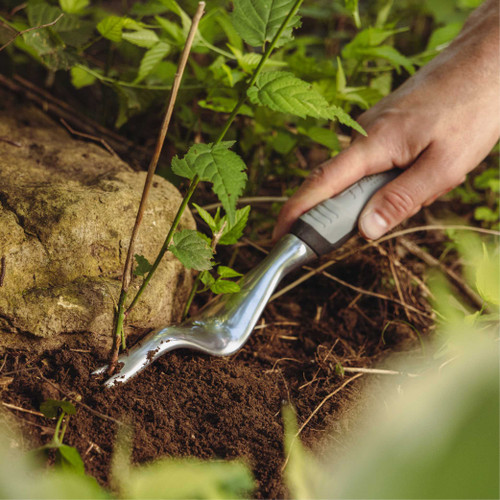
You can see the full line on our Scratch Tools page.
Frequently asked questions
When is the 2027 Youth Garden Grant deadline?
Applications are due Friday, December 11, 2026, at 11:59 pm Pacific time. Grantees are announced in late January 2027.
How much is the Youth Garden Grant?
Each grantee receives $750 to start or maintain a youth garden, plus seeds from Baker Creek. KidsGardening plans to fund 30 to 50 programs in 2027, depending on funds raised.
Who is eligible for the Youth Garden Grant?
Any organization in the United States or U.S. territories with a new or existing garden program that serves at least 15 youth ages 0 to 18 in an under-resourced community, and that received less than $5,000 in grants for the garden program in 2026. Programs that won a KidsGardening grant in 2025 or 2026 are not eligible this cycle.
Can I apply in Spanish?
Yes. KidsGardening accepts applications in Spanish and provides the application questions in both English and Spanish.
What can the grant money be used for?
Garden materials such as raised bed materials, soil, plants, seeds, compost materials, tools, and fencing. Salaries or stipends can make up no more than half of the budget.
Know a program that should apply?
Send this to a teacher or youth leader before December 11.
The application takes some planning, so the sooner they start, the better.
See the Grant Details